





Napa Valley is world-renowned for its Cabernet and rolling hills, but April brings a deeper focus to the region. As we celebrate Earth Month 2026, the valley transforms into a hub for environmental stewardship. From organic farming to zero-waste practices, there are endless ways to enjoy wine country while honoring the planet.
Here is your guide to experiencing the best of Napa this April, with a lighter footprint and a glass of sustainable wine in hand.
Best Sustainable Wineries to Visit in Napa Valley
When planning your visit, look for wineries that go beyond the glass. Napa is home to a growing community of B Corp Certified and organic producers who prioritize soil health and local community impact.
Spottswoode Estate: Established in 1882, this historic, family-owned estate is renowned for its elegant, age-worthy Cabernet Sauvignon. As a pioneer in environmental stewardship, they were the first Napa Valley winery to achieve B Corp certification and have farmed organically since 1985.
Artesa Winery: A stunning architectural landmark seamlessly integrated into a hilltop. They specialize in small-lot Chardonnay and Pinot Noir that highlight the unique maritime climate. Visitors enjoy modern tasting experiences paired with creative culinary offerings amidst world-class sculptures.
Trois Noix: A community-focused winery dedicated to elegant wines that emphasize balance and a collaborative spirit. As a B Corp Certified producer, they prioritize social and environmental responsibility alongside their world-class varietals.
Clif Family Winery & Farm: A local favorite, the Clif Family Tasting Room is a B Corp and CCOF Certified Organic farm and winery. Throughout April, look for special Earth Month programming highlighting their commitment to organic farming and climate action partnerships.

Eco-Friendly Travel Tips for Your Napa Vacation
Supporting sustainable businesses is easier than you think. Use these tips to ensure your visit supports the local ecosystem:
Look for Certifications: Seek out the B Corp logo or "Napa Green" certification. These businesses meet rigorous standards for water conservation, energy efficiency, eco-friendly farming, and waste reduction.
Ditch the Plastic: Many tasting rooms offer filtered water stations. Bring a reusable bottle to stay hydrated between stops.
Choose Organic Eats: Visit farm-to-table restaurants that source from local, organic growers to reduce "food miles." We recommend Bear at Stanly Ranch, Charter Oak, Charlie’s, and for a casual treat, the Clif Family Food Truck.
Drive Electric or Walk: Opt for an EV to utilize the many local charging stations. Alternatively, park once and explore the downtown tasting rooms of Napa, Yountville, St. Helena, or Calistoga on foot.


A Sustainable Adventure: Exploring the Vine Trail
Napa is an outdoor playground for hikers, cyclists, and runners. Whether you are trekking the hills or cycling the Napa Valley Vine Trail, how you pack matters as much as where you go.
Leave No Trace: Stick to marked trails to protect native flora and always pack out what you pack in.
Sustainable Apparel: By opting for high-quality, technical gear and sustainable apparel, you ensure your outdoor adventures remain as green as the vineyards surrounding you.

Sustainable Wine Packaging: Why Lightweight Bottles Matter
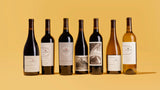
One of the most effective ways to reduce your carbon footprint is to support brands that rethink their packaging. Glass production and transportation are often the largest contributors to a winery's emissions. Several Napa Valley producers are leading the charge in "lightweighting"—using thinner, lighter glass that maintains quality while reducing shipping impact.
Notable Napa Wineries Using Lightweight Packaging:
Clif Family Winery: A pioneer focusing on lightweight glass and sustainable materials to significantly slash shipping emissions.
Spottswoode Estate: As a certified B Corp, they have transitioned to lighter glass for their core bottlings, proving luxury wine doesn't require a heavy bottle.
Grgich Hills Estate: This historic estate utilizes lightweight glass across its portfolio to minimize environmental impact during global distribution.
Chimney Rock Winery: Part of the Stags Leap District, they have successfully moved to lighter formats to lower their overall carbon intensity.
By choosing products designed with the planet in mind—moving away from "heavy bottle" prestige—you are participating in a circular economy.
How to Host a Napa-Inspired Earth-Friendly Picnic
Can't make it to the valley this April? You can still bring the spirit of a sustainable Napa experience home for National Picnic Day (April 23rd).
Eco-Friendly Essentials: Swap single-use plastics for beeswax wraps for bread and produce. Choose bamboo utensils and cloth napkins over disposables. If stems feel too formal for the outdoors, "jelly jars" give your gathering a fun, European picnic vibe.
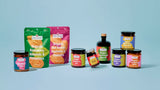
Seasonal & Local: Build your board with local cheeses, salumi, and fresh fruit. For a true taste of the valley, include Napa Valley estate-grown extra virgin olive oil, organic preserves, and plant-forward snacks to reduce the carbon impact of your meal.
The Perfect Pour: Pack a bottle of organically farmed wine. Look for producers who use estate-grown grapes to ensure you are tasting the true essence of the soil.
Celebrate Earth Month with us by making conscious choices that preserve this beautiful region for generations to come.


