





It’s a Tuesday. You want a glass of wine with dinner, but you also want to feel sharp in the morning. Or you’re heading out for a long, sunny afternoon with friends and you’d rather pace yourself than peak early. Or you just like wine that feels refreshing and easy, the kind you can actually have with lunch without losing the rest of the day.
That’s where low-alcohol wine comes in. More of us are reaching for lighter pours lately. Not a trend exactly, just people paying more attention to how the next day goes. This guide walks through what “low alcohol” actually means, how these wines taste, how they’re made, and which bottles are worth pouring — including our own 2024 Vino del Pranzo Sauvignon Blanc, a Napa Valley, California white built for exactly these kinds of afternoons. Let’s get into it.
What Counts as a Low-Alcohol Wine?
Most table wines land somewhere between 12.5% and 14.5% ABV — that’s alcohol by volume, the percentage of the bottle that’s actually alcohol. A big Napa Cabernet can push up toward 15%. A crisp unoaked white might sit at 13%.
Low-alcohol wine, as a category, generally falls between about 5.5% and 11% ABV. It’s lighter than a standard pour but still unmistakably wine. Below 0.5% ABV, you’re in alcohol-free territory — what you’ll sometimes see labeled as non-alcoholic wine or zero proof — a separate category with its own production methods and its own rules.
All of this is printed on the back label, sometimes as “ABV,” sometimes as “alcohol content,” sometimes abbreviated as “alc./vol.” Same thing, different shorthand.
A few quick answers to the questions people type into Google:
- • Is 11% a low-alcohol wine? Yes, on the higher end of the low-ABV range. A 750 ml bottle at 11% has noticeably less alcohol than one at 14%.
- • Is 5.5% wine low in alcohol? Very. That’s closer to a strong beer, and you’ll mostly see it in wine styles like Moscato d’Asti.
- • What’s the lowest-ABV wine you can buy that still tastes like wine? Moscato d’Asti and some German Rieslings live down around 5.5% to 8%. Our Vino del Pranzo Sauvignon Blanc sits at 8.5%, which hits a nice sweet spot — meaningfully lower than a standard white, but with plenty of structure and flavor.

Why ABV Matters (Beyond the Number on the Label)
Alcohol content isn’t just a stat on the label. It changes how a wine feels in the glass.
Higher-alcohol wines tend to have a fuller body and a warmer, weightier mouthfeel — that little hit of heat you notice on the back of your tongue. They can also taste slightly sweeter, because alcohol itself carries a perception of richness even in a dry wine.
Lower-alcohol wines usually feel the opposite: lighter on the palate, brighter in acidity, and more refreshing. They quench rather than warm. That’s what makes them so good with lunch, in the sun, or after a long hike.
Different alcohol levels also change how much you’re actually drinking. A standard “drink” in the U.S. is five ounces of wine at 12% ABV. A bottle at 12.5% has about five standard drinks. A bottle at 9% has closer to three and a half. A bottle at 5.5% is closer to two. Same 750 ml, very different experiences.
Pro tip: if you’re trying to pace yourself at dinner or an event, a lower-ABV wine lets you have a second pour without it becoming a third drink.
Does Low-Alcohol Wine Actually Taste Like Wine?
Yes. Really, yes. But it tastes like its own thing, not a watered-down version of something bigger.
Expect a lighter body, a cleaner mouthfeel, and brighter acidity with more delicate structure. The fruit tends to feel zippier — more citrus and green apple, less jammy blackberry. There’s usually less of that warm, glycerin weight you get from a high-alcohol wine, which means the fresh flavors have more room to show up.
Quality varies, and the producer matters more than with most categories. A thoughtfully farmed, early-picked wine from a good vineyard will taste balanced and alive. A cheaply dealcoholized version of a big red can taste hollow. This is a place where knowing the varietal and the winemaking approach really pays off.

Is Low-Alcohol Wine Sweeter?
Sometimes. Not always. This is one of the most common questions, and the honest answer is: it depends on how the wine was made.
Here’s the quick science. When grapes ferment, yeast converts sugar into alcohol. The less alcohol in the finished wine, the more sugar may be left behind as residual sugar. Grape variety matters too — some varieties ripen more gently and produce less sugar at harvest to begin with. That’s why some low-ABV wines — think a classic Moscato d’Asti or a German Riesling Kabinett — do taste sweet. That’s intentional, and it’s often delicious.
But plenty of low-alcohol wines are bone-dry. Vinho Verde from Portugal. Txakoli from Spain’s Basque Country. A well-made low-ABV Sauvignon Blanc. These get their lower alcohol from early harvest and careful farming rather than from stopping fermentation early, so there’s little to no residual sugar in the glass.
Two quick reference points:
- Dry low-ABV styles: Vinho Verde, Txakoli, dry Rieslings, many estate Sauvignon Blancs (including ours).
- Sweeter low-ABV styles: Moscato d’Asti, Riesling Kabinett, most dessert wines.
Check the label, or if you’re at a shop or tasting room, just ask. “Is this dry?” is a completely fair question.

Is Lower-ABV a “Better” Choice?
We get this question a lot in the tasting room. Depends what you mean by better. A lower-alcohol wine has, by definition, less alcohol per pour. That means fewer calories from alcohol in your glass, which is why you’ll sometimes see low-ABV bottles marketed as low calorie. And for most people, it can also mean a more flexible night — less likely to interfere with sleep, less likely to leave you foggy the next morning, easier to pace yourself through a long meal.
It’s not a health product. It’s still wine. But if you’re the kind of drinker who wants one good glass with dinner on a Tuesday without reorganizing your Wednesday, a low-ABV bottle just fits that lifestyle better. Same if you’re out hiking, biking, or heading to an afternoon event where you want to stay present.
The real case for low-alcohol wine is simpler than a wellness pitch. It lets you drink the wine you actually want, when you actually want it, without the trade-offs a heavier pour sometimes brings. That’s the whole thing.
How Low-Alcohol Wine Gets Made
Two main paths, and the approach makes a real difference in how the wine tastes.
Naturally Low Alcohol
This is the old-school way, and in our opinion the best one. Grapes are picked earlier, before sugar levels climb too high. Cool-climate vineyards help, because slower ripening keeps alcohol moderate without sacrificing flavor. Careful canopy management and irrigation tune the vines to produce fruit with bright acidity and lower sugar at harvest.
That’s how our 2024 Vino del Pranzo Sauvignon Blanc is made. It comes from our estate Valle di Sotto Vineyard in the Oak Knoll District at the southern end of Napa Valley, where cool marine air drifts up from San Pablo Bay and stretches the growing season. We carefully manage canopy growth and irrigation through the summer, then pick early (August 13 for the 2024 vintage) to keep sugar levels naturally lower. The result is a dry, crisp Sauvignon Blanc at 8.5% ABV with classic gooseberry, stone fruit, and grapefruit on the nose, and a bright, mouthwatering finish. Vino del Pranzo translates to “lunch wine” in Italian, which is exactly what it was built to be.
Dealcoholized After Fermentation
The other approach is to make a standard wine and then remove some or most of the alcohol afterward. Three common methods:
- Spinning cone column: A machine gently separates aromatic compounds, removes the alcohol from the rest, and recombines them. Good versions preserve more character.
- Vacuum distillation: Lowering the pressure inside the tank drops alcohol’s boiling point, so the alcohol can be evaporated off at much cooler temperatures than usual. That helps protect delicate aromatics.
- Reverse osmosis: A filter-based process that pulls alcohol and water out through a membrane, then reintroduces water.
These approaches all work, and the category has improved over the past few years. But de-alcoholizing a finished wine always involves trade-offs in body and aromatics. If you want a wine that tastes whole and unprocessed, naturally low-ABV is the way to go.
The Best Low-Alcohol Wines to Try
A short tour of the category, organized by the kind of pour you’re in the mood for.
Crisp and Refreshing Whites
- Vinho Verde (Portugal), 8.5%–11%: Bright, lightly spritzy, citrusy. Classic summer pour.
- Txakoli (Spain), 10%–11.5%: Tangy, faintly saline, zippy acidity. Great with seafood.
- German Riesling Kabinett, 7.5%–9%: Off-dry, peachy, lively. Incredible with spicy food.
- Pinot Grigio (Italy), 11.5%–12.5%: Clean, crisp, pear-and-citrus. Sits at the upper edge of low-ABV but drinks light.
- Dry Rosé, 11%–12.5%: A chilled Provence-style rosé drinks lighter than most reds, and a growing number of California winegrowers are bottling even lower-ABV versions.
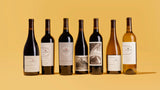
- Clif Family 2024 Vino del Pranzo Sauvignon Blanc, 8.5%: Dry, crisp Napa Sauvignon Blanc. Gooseberry, stone fruit, grapefruit, and a clean finish — a softer, lighter take on the grapefruit-forward Sauvignon Blancs coming out of Marlborough, New Zealand. Built for beach days, trailhead picnics, and long lunches.
Light, Easy Reds
- Beaujolais (France), 10.5%–12.5%: Light-bodied, cherry-forward, food-friendly.
- Schiava (Northern Italy), 11%–12%: Pale, gentle, berry-and-herb. A great intro to low-ABV red.
- Frappato (Sicily), 11.5%–12.5%: Floral, bright red fruit, surprisingly complex.
- Cool-climate Pinot Noir, around 12%: Not always under the strict low-ABV band, but Pinot Noir from cooler sites in Oregon or the Sonoma Coast drinks lighter than most reds and is worth grabbing for a lower-impact red option.
- Clif Family 2022 Vino Del Pranzo Cabernet Sauvignon, 12.5%: A lighter, lower-ABV Napa Cab built around bright red fruit and softer tannins — same "lunch wine" philosophy as our Sauvignon Blanc, in a red.
Sparkling and Playful
- Moscato d’Asti, 5%–6%: Lightly sweet, lightly fizzy, peachy. The lowest-ABV wine most people will ever pour.
- Prosecco Brut, around 11%: Lower-ABV than most Champagne, crowd-friendly, easy to love.
- Sparkling Rosé (Brut), 11%–12.5%: Dry, bright, and one of the most food-flexible sparkling wines in the category.
Modern Naturally Low-ABV Bottlings
This is where the category is growing fastest. Small winegrowers are building wines around lower alcohol on purpose, picking earlier and farming more intentionally. Our Vino del Pranzo line belongs in this group. California wines with real Napa Valley character, made for people who want to sip lightly without trading away flavor.
What to Eat with Low-Alcohol Wine
Lighter body and higher acidity mean low-ABV wines play really well with fresh, bright food. A few pairings that just work:
- Salads with citrus vinaigrette, especially with shaved fennel or herbs.
- Guacamole, fresh salsas, and anything chip-forward.
- Sushi, crudo, and raw bar.
- Grilled white fish, shrimp, or scallops.
- Fresh cheeses: burrata, chèvre, ricotta with good olive oil.
- Summer veggies: asparagus, snap peas, zucchini off the grill.
- Mediterranean spreads: hummus, tzatziki, warm pita.
Basically: if the food is fresh, green, herby, or citrusy, a low-alcohol white wine is probably your move. For lighter reds like Beaujolais, think charcuterie, roast chicken, mushroom risotto.

How to Drink a Little Less Without Giving It Up
A few practical things that actually help:
- Start with a lower-ABV bottle. The simplest move of all. A 9% wine gives you more room than a 14% one.
- Pour smaller. Use a smaller glass, or just stop at the halfway line. Sounds obvious; works.
- Alternate with water. A glass of wine, then a glass of water. Hydration makes everything better, including the wine.
- Try half-bottles or splits. A 375 ml with dinner is perfect for two. You finish the bottle, you don’t overdo it.
- Build the meal around the wine. A glass paired with food is a different experience from a glass on an empty stomach. Slower, more enjoyable, more interesting.
None of this is about drinking less as a rule. It’s about drinking what you want, in a way that actually works for your life.
A Lighter Pour, a Bigger Table
Low-alcohol wine isn’t a compromise category anymore. The best bottles are fresh, dry, full of character, and genuinely food-friendly — wines you want to drink because they taste good, not because they’re “better for you.” If that lines up with the kind of afternoons and evenings you’re planning, we’d love to pour you one of ours. Cheers.
Napa Valley Wine Delivered to Your Doorstep
Love the idea of a lighter, easier pour showing up at your door without any planning? Our Wine Drop club is built for exactly that. Each shipment is a curated mix of our California wines — including limited-release bottlings like Vino del Pranzo — hand-picked by our team and sized to fit however you like to drink. No commitment to bottles you don’t want, just the wines we’re proudest of, delivered on your schedule.


